

From Merchant Princes to Modern Lifelines: The Continuum of Kapol Public Service in Mumbai
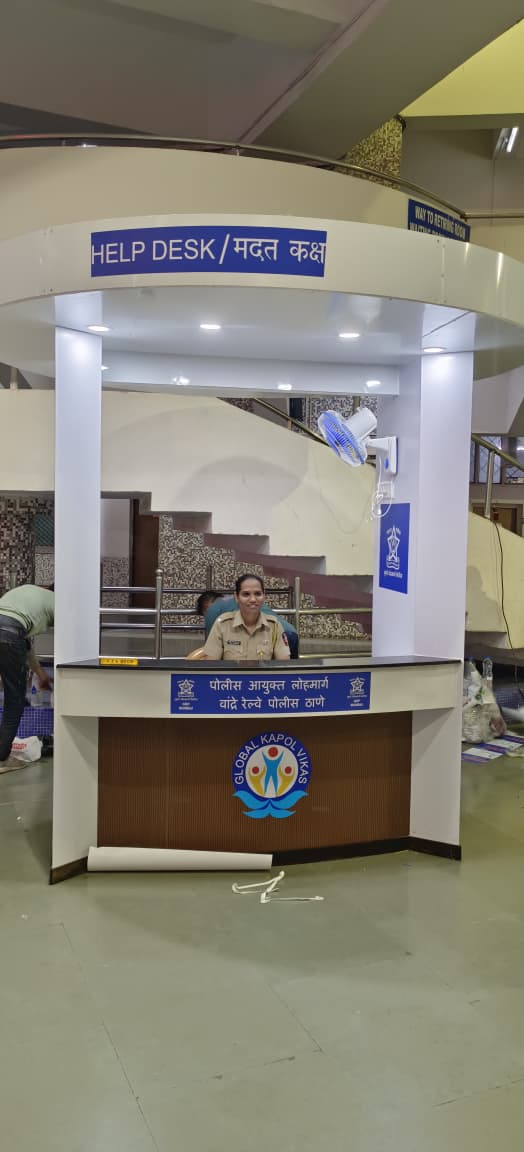
Bandra Helpdesk
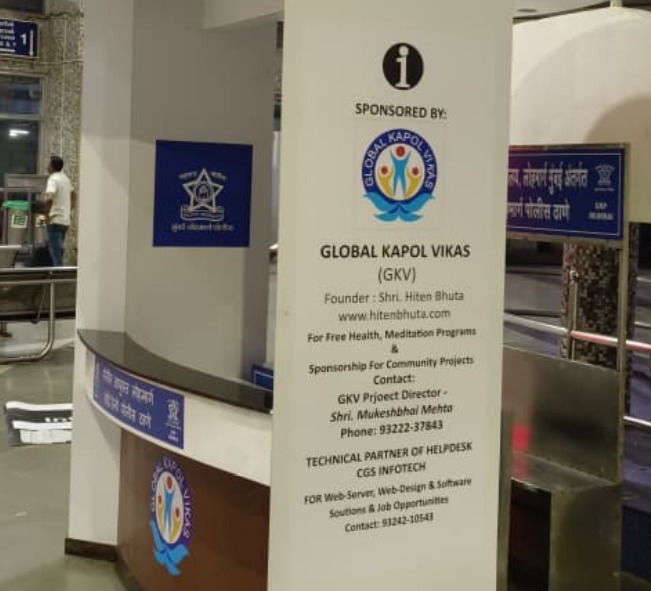
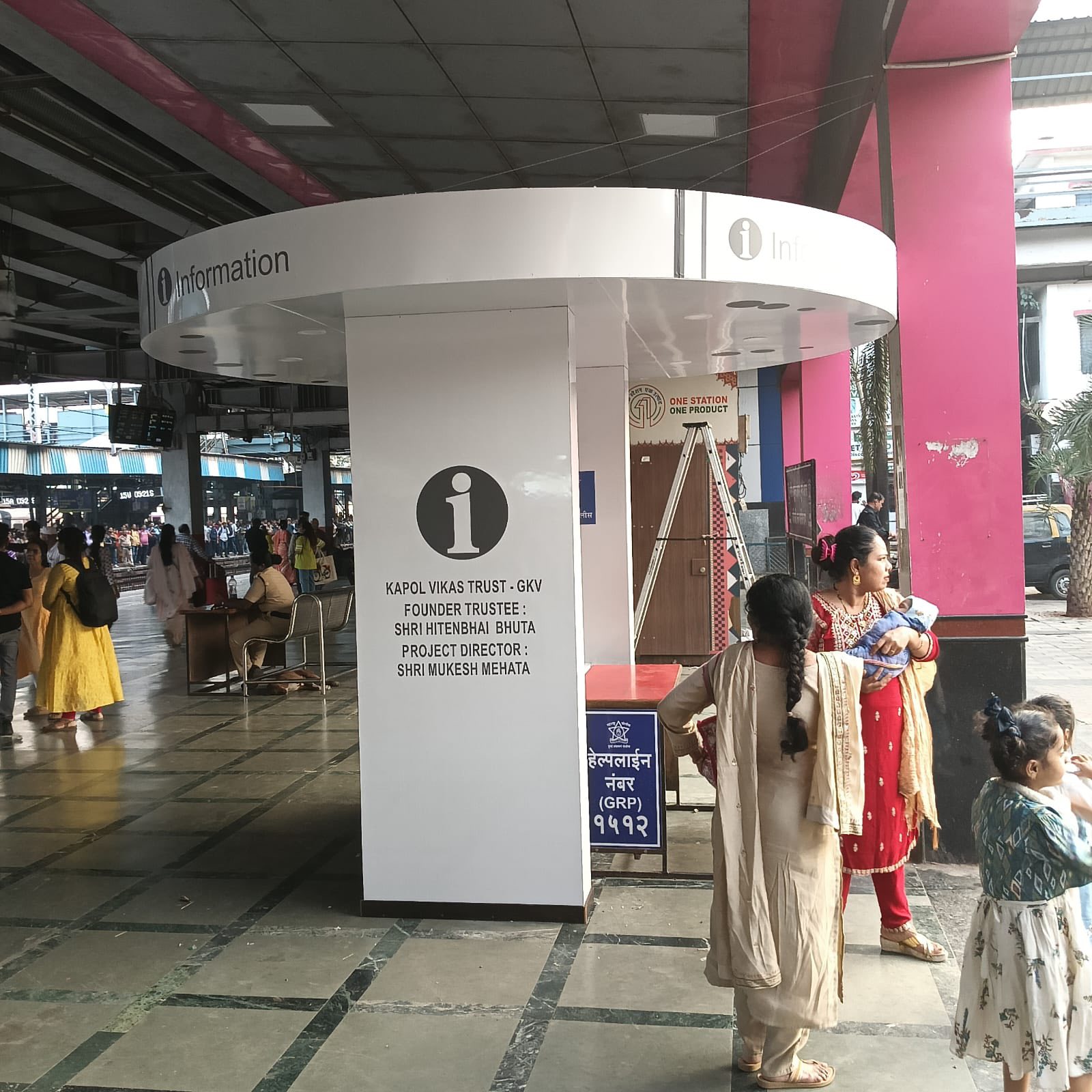
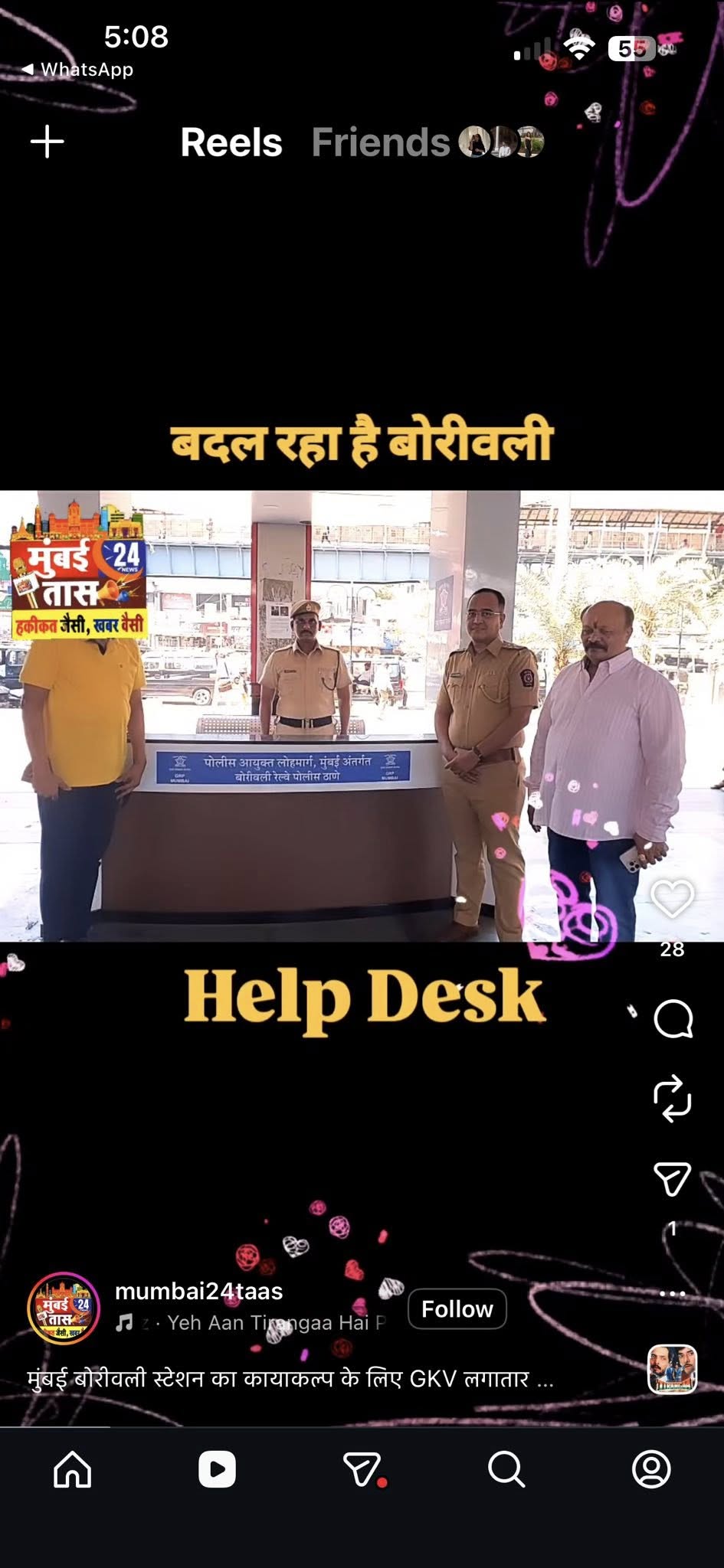
Kapol community re-affirms its 300-year commitment to the city’s civic fabric through new initiative by Global Kapol Vikas (GKV) on the Mumbai Suburban Railway.
Our ancestors built the hospitals, schools, and markets that Mumbai stands on today. Kapol core principle remains 'Wisdom over Riches'—a commitment to collective welfare”
MUMBAI, MAHARASHTRA, INDIA, December 24, 2025 /EINPresswire.com/ -- The evolution of Mumbai from a colonial trading outpost into a global financial powerhouse is inseparable from the history of its merchant communities. Foremost among these is the Kapol community, which today reaffirms its 300-year commitment to the city’s civic fabric through a major new initiative by Global Kapol Vikas (GKV) on the Mumbai Suburban Railway.— Hiten Bhuta
A 300-Year Continuum: From Nagar Sheths to Modern Statesmen
The Kapol community’s leadership in Mumbai dates back to Rupaji Dhanji, a pioneering merchant who moved to the city in 1692. His lineage established a standard for civic responsibility that remains the community’s hallmark:
Financial Guardianship: Rupaji’s son, Manordas Rupji Dhanji (1727–1792), served as the Nagar Sheth (City Banker) of Mumbai, wielding unparalleled influence in the city’s early financial stabilization.
Civic Modernization: Sir Mangaldas Nathubhai (1832–1890), the first Hindu to be knighted, utilized his position to modernize the city through educational endowments to Mumbai University and the establishment of the iconic Mangaldas Market.
Spiritual and Social Hubs: Brothers Shri Varjivandas Madhavdas and Shri Narottamdas Madhavdas co-founded the Madhavbag Temple Complex in 1874, which recently celebrated 150 years as a center for both spiritual life and the Indian independence movement.
Modern Innovation: The Railway Help Desk Initiative
Continuing this tradition of addressing the city’s most pressing needs, Global Kapol Vikas, under the leadership of founder Hiten Bhuta, has partnered with the Mumbai Police and Railway authorities. In an era where 7.5 million commuters use the railway daily, GKV has established modern, airport-style Help Desks at major hubs including Churchgate, Andheri, Bandra, and Borivali.
Directed by Mukesh Mehta, these desks provide critical support to senior citizens and commuters, translating the community's ancestral values into 21st-century urban solutions. This initiative, currently expanding to ten major stations with a community-funded investment of ₹40 lakh, echoes the pioneering spirit of figures like Dr. Jivraj Mehta, who famously broke social barriers to bring global medical standards back to India.
Digital Legacy and Global Recognition
The current efforts of GKV coincide with the global activation of the Kapol Community’s digital archives and Wikipedia presence. This digital landmark ensures that the journey from the ancient ports of Saurashtra to the leadership of modern-day administrators like P. K. Laheri is documented for the world.
"Our ancestors built the hospitals, schools, and markets that Mumbai stands on today," says Hiten Bhuta. "Whether it was Bhimji Parekh introducing the printing press in the 1670s or GKV installing help desks in 2025, the core principle remains 'Wisdom over Riches'—a commitment to collective welfare."
Priti Kamble
Global Kapol Vikas
email us here
Legal Disclaimer:
EIN Presswire provides this news content "as is" without warranty of any kind. We do not accept any responsibility or liability for the accuracy, content, images, videos, licenses, completeness, legality, or reliability of the information contained in this article. If you have any complaints or copyright issues related to this article, kindly contact the author above.
